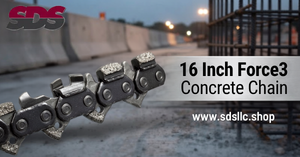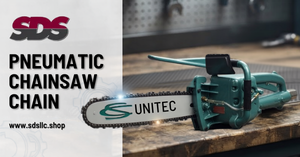

Tools far more sophisticated than a typical wood-cutting chainsaw are needed to cut through concrete, masonry, and substantially fortified structures. The pneumatic chainsaw chain, an industrial-grade option built for strength, accuracy, and durability, comes into play here. When combined with a strong Concrete Chainsaw Guide Bar, the performance, control, and longevity of the cutting system are enhanced substantially.
Here, we discuss the uniqueness of the pneumatic chainsaw chains, the type of variations, and the role of Concrete Chainsaw Guide Bars in making the process safer and more effective.
A Pneumatic Chainsaw Chain: What Is It?
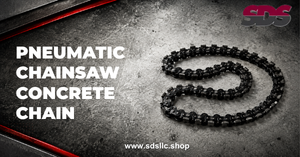
A pneumatic chainsaw chain is a cutting chain designed especially for use with air-powered chainsaws. Because pneumatic chainsaws use compressed air instead of gasoline or hydraulic systems, they are ideal for environments that require low heat output, minimal emissions, and safer operation in confined or hazardous areas.
Unlike wood-cutting chains, these chains are specifically made for concrete, brick, stone, and other thick materials. They are made to endure abrasive dust, impact, and friction without compromising cutting efficiency.
Key Variations and Features of Pneumatic Chainsaw Chains
Because pneumatic chainsaws are used in demanding professional applications, the chains come in several variations, each suited to a different cutting environment.
1. Options for Diamond-Segmented Chains
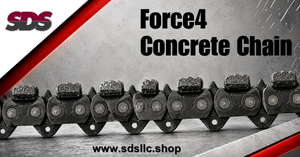
Many pneumatic chainsaw chains feature diamond-embedded segments instead of conventional teeth. These segments:
- It is better to cut power on dense material.
- Aggregate and concrete wear resistance.
- Maintain sharpness longer
- Provide smoother cutting with reduced vibration
For projects involving reinforced concrete or deep cuts, diamond-segmented chains are necessary.
2. Variations in Carbide-Tipped Chains
Some chains incorporate industrial-grade carbide tips. These are ideal for applications where:
- Cutting speed is important
- Materials are slightly softer (such as limestone or brick)
- Operators require a less expensive substitute for whole diamond chains.
Although carbide chains are more durable than steel, they are not as durable as options with diamond embeddings.
3. Wear-Resistant Alloy Design
In order to withstand challenging circumstances, pneumatic chainsaw chains are often made of high-strength alloy steel. Variations include:
- Heat-treated chain plates
- Reinforced rivets
- Coatings that prevent corrosion
These characteristics aid in extending the chain’s lifespan in spite of continuous exposure to slurry, water, and dust.
4. Built-In Lubrication Channels
Some chains are engineered with precision-machined lubrication channels. These channels make it possible for water or slurry to more efficiently reach the cutting segments, which can aid:
- 1. Reduce heat
- Flush out debris
- Minimize friction
- Prevent micro-fractures in the cutting segments
This feature is essential for long-duration or deep-cut applications.
How the Concrete Chainsaw Guide Bar Enhances Performance
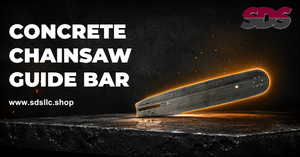
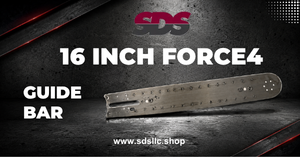
The Concrete Chainsaw Guide Bar is the backbone of the entire cutting system. While chains often receive the most attention, the bar plays an equally important role.
Key features of Concrete Chainsaw Guide Bars include:
- Integrated Water Delivery System
Built-in water channels deliver water directly to the chain, cooling it and reducing concrete dust—an essential safety requirement.
- Construction with Reinforced Core
These guide bars, which are made of alloy composites or hardened steel, are resistant to heat damage, bending, and warping under high use.
- Superior Nose Sprocket Performance.
The sprocket at the bar’s tip is engineered for diamond or carbide chains, ensuring smooth rotation and less friction at the most stressed point.
- Various Bar Lengths for Specific Applications
Bars come in lengths from 12 inches to more than 20 inches, offering deeper cut capabilities without the need for drilling pilot holes.
Selecting the Best Compromise.
An appropriate choice of the pneumatic chainsaw chain and a matching Concrete Chainsaw Guide Bar will make the tool work most effectively and safely. When selecting your setup, think of the nature of the material to be cut, the depth of cut, usage frequency, and how long it needs to last.
When properly combined, operators are able to cut more productively, increase the life of the tool, and achieve a steady and professional outcome even in the toughest of cutting conditions.