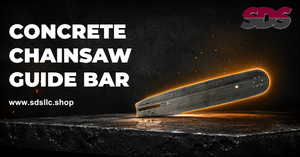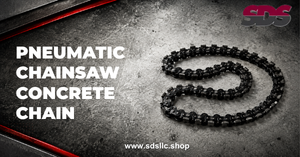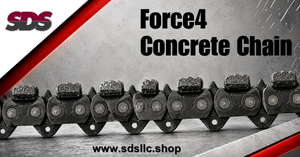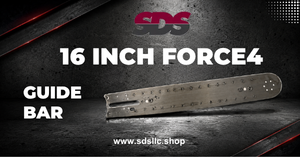
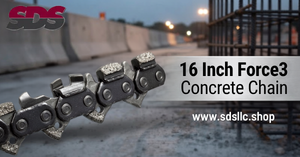
Concrete cannot be properly cut when an incorrect chain is used. In addition to wasted time, inappropriate chains reduce the quality of equipment and put workers at risk. The 16 Inch Force3 Concrete Chain has been designed for contractors who need a reliable chain of medium size for regular cutting tasks. SDS LLC has supplied diamond concrete cutting chains, bars, and sprockets for North America since 2012. In this blog, we are going to reveal why the quality of the concrete chain matters and how the choice of its size influences each cut made.
Why Quality of the Chain Influences the Whole Process
The use of poor-quality chains on construction sites means that the saw and all other components of the equipment will be affected by that. Uneven wearing of diamond segments leads to inaccurate cutting, which means that one will have to redo the job. On the other hand, good quality chains ensure accurate cuts and reduce wear on the guide bar when using it with concrete, stones, and masonry.
What Makes a Trustworthy Concrete Chain Different
There are three main characteristics of a long-lasting chain, which make it different from the easily worn-out chain:
- Tensile strength – The chain should be able to withstand a constant load without stretching or breaking.
- Corrosion resistance – Chain materials should withstand exposure to water, dust, and the elements.
- Precision engineering – Consistent tooth spacing and high-quality segments will ensure proper cutting accuracy.
Properly designed chains extend service life and minimize operating costs by reducing maintenance needs and frequency of replacement.
Choosing Appropriate Chain Size for the Job
The size of the chain determines how much material can be cut in one operation. Shorter chains are appropriate for cutting in narrow spaces and through small holes, whereas longer chains are required to cut through more material, as is necessary when working with thick slabs and structures. The 16 inches chain represents an average in this regard and is suitable for general concrete cutting, being long enough to deal with almost all structural cutting and lightweight enough compared to larger chains.
Different Expectations by Different Parties
The requirements for concrete chains may vary based on whether they are being used by professionals or do-it-yourselfers. In professional use, the chain must be able to endure several consecutive operations without wearing out its sharp edges. At the same time, the chain for an amateur user should be easy to mount and operate. It should be equipped with sharp, reliable teeth and be flexible enough to fit around the contours of the workpiece for use in different projects without changing equipment.
Buying Reliable Chains
Not all suppliers test their products the way they should. SDS LLC develops, produces and tests the product for tensile strength, resistance to wear and precise cutting before it goes to the site. This is what makes a chain able to last throughout the whole operation, as opposed to a piece that has to be changed midway through the work