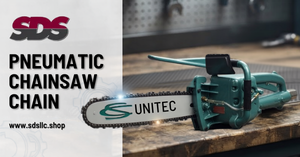
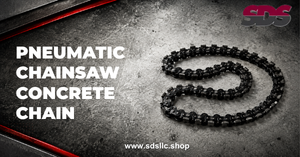
The construction and demolition workers face the same irritating problem repeatedly – that is, being unable to cut through reinforced concrete halfway through the work process. A pneumatic chainsaw concrete chain is useful for such cases since it is powered by compressed air and not gas or electricity, which means the operators receive a more constant power supply in damp, dusty, and narrow environments where other types of saws perform poorly. The equipment powered by air cools down better and lasts longer when used consecutively, and, yes, when cutting through concrete for many hours and not just minutes. This guide explains why pneumatic saws hold up better than other options, what matters in a cutting chain, and how SDS LLC supplies the tools contractors lean on across North America.
What makes a Pneumatic Chainsaw feel different
Gas-powered saws need combustion, so you end up with a fuel tank, an ignition system, and exhaust fumes to manage. A pneumatic chainsaw skips that entirely; there’s no combustion engine, no fuel storage, no exhaust- it just connects to a compressed air line. That means no starter cords, less ongoing engine maintenance, and zero emissions inside enclosed spaces. This is why air tools get picked for tunnel work, mining, and indoor demolition, especially when ventilation is limited. There’s also a weight advantage: many air-powered tools weigh less than their gas counterparts, so operator fatigue goes down during long shifts. The catch is you still need a consistent air compressor, so pneumatic saws are usually best for fixed job locations, not quick mobile cutting runs.
The concrete chain is the real workhorse.
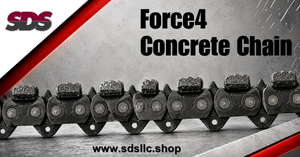
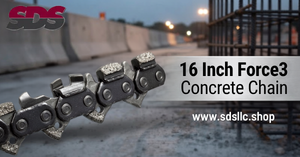
The saw body can be fine, but it only does as good as the chain it’s wearing. A diamond-tipped concrete chain is built to slice reinforced concrete , block , and stone without overheating or going dull after only a couple of passes. Quality counts here, because bargain chains tend to wear quickly, lose tension, and can raise kickback risk. A solid chain keeps its cutting edge through hundreds of cuts, reduces vibration, and makes for a more controlled, straight cut line, which helps a lot with finishing time. And it’s not just “diamond tips”—you have to match chain pitch and gauge to your guide bar. When those parts don’t line up, the drive sprocket gets strained, and the lifespan of both components shortens.
How to pick a setup that fits your specific job
Before purchasing anything, consider the following three basic factors: the actual air pressure that can be maintained by the compressor, the bar length required for your application, and the reinforcement density rating of the chain you plan to use. Those contractors involved in bridge deck, foundation, or precast panel work will normally require stronger chains than slab cutting applications. Skipping this part is one of the most common, and honestly costly, mistakes on site. Underpowered setups usually mean slower cuts, faster chain wear, and more downtime when you need to swap chains in the middle of the schedule.
Where to get reliable equipment fast
SDS LLC has been supplying diamond concrete cutting chains, guide bars, and sprockets since 2012, serving contractors throughout the Mid-Atlantic region and beyond. They keep stock equipment that stays compatible across gas, hydraulic, electric, and pneumatic chainsaw concrete chain, including the CS Unitec 701-A pneumatic saw. SDS LLC tends to focus on parts that can survive repeated heavy use, with simple customer support for contractors who need answers quickly, not a lot of sales talk.
If your current setup is slowing your crew down, the “new saw” idea is not always the fix. Often the better move is upgrading the concrete chain. Contact SDS LLC to match the right chain and bar to your pneumatic chainsaw before your next job.